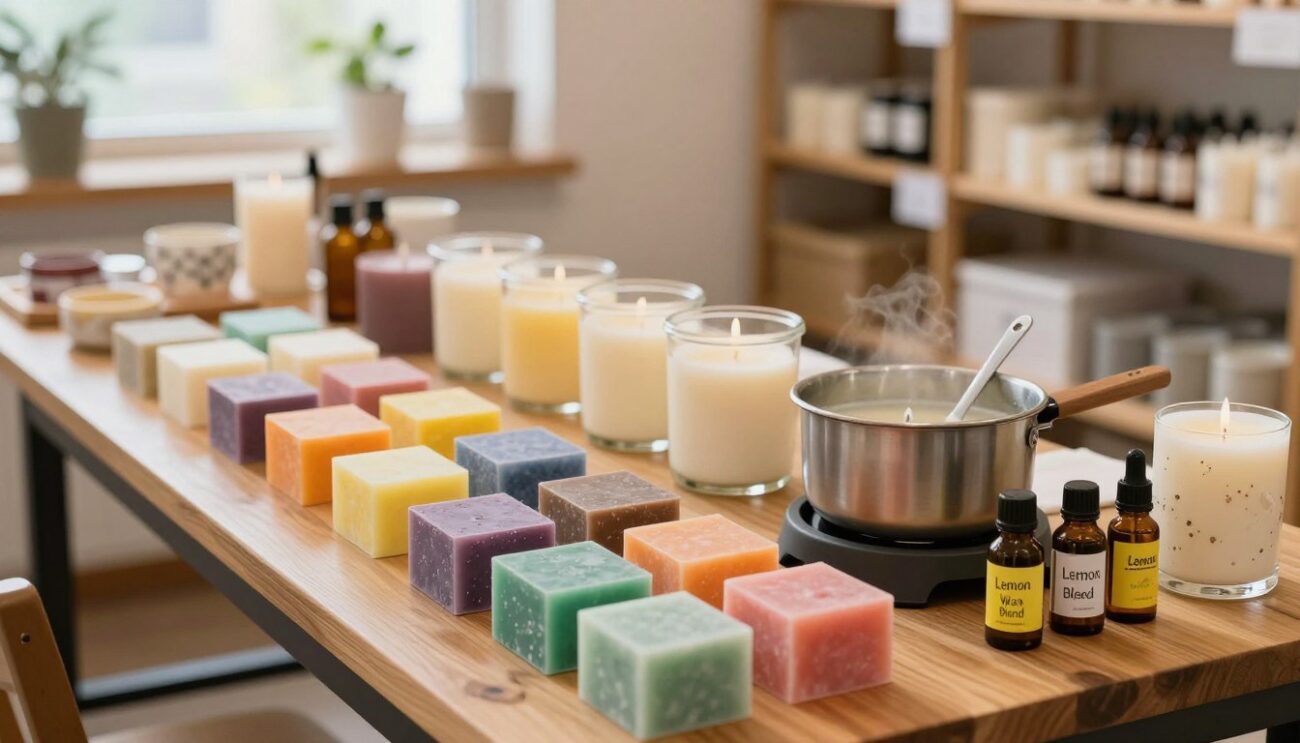
How to Choose the Right Candle Fragrance and Colour for Better Sales


Have you ever wondered why some candles sell instantly while others struggle, even when they look similar? In most cases, the difference lies in fragrance and colour. The right scent creates an emotional connection. The right colour builds trust before a customer even lights the product.
For makers and small businesses, understanding this combination is the first step. It leads to creating items that customers remember, recommend, and repurchase. Scented candles have incredible power. They can transform any space into a haven of tranquility or nostalgia.
A hint of fragrance can evoke cherished memories and soothe the mind. Buyers often make quick decisions based on visual appeal and initial scent impression. This makes strategic selection absolutely essential for sales success.
We begin this guide by explaining why these elements directly impact performance. Random selections can lead to poor customer experiences and reduced repeat purchases. Our goal is to provide a clear framework for creating products that resonate with your audience.
Key Takeaways
- Fragrance and color are critical factors that influence a customer’s quick purchase decision.
- Strategic selection builds an emotional connection and justifies a premium price.
- Poor choices can result in negative reviews and hurt repeat business.
- This guide offers a practical framework for informed decision-making.
- A successful product combines strong visual appeal with an excellent scent experience.
Understanding Candle Purpose and Target Audience
Before selecting any aromatic notes or visual elements, successful artisans begin with a fundamental question: who is this product for? We emphasize that defining your audience is the essential first step.
Different customer segments have distinct needs. Some buyers seek decorative items for their living space. Others want gifts with universal appeal. Understanding these purposes prevents wasted resources.
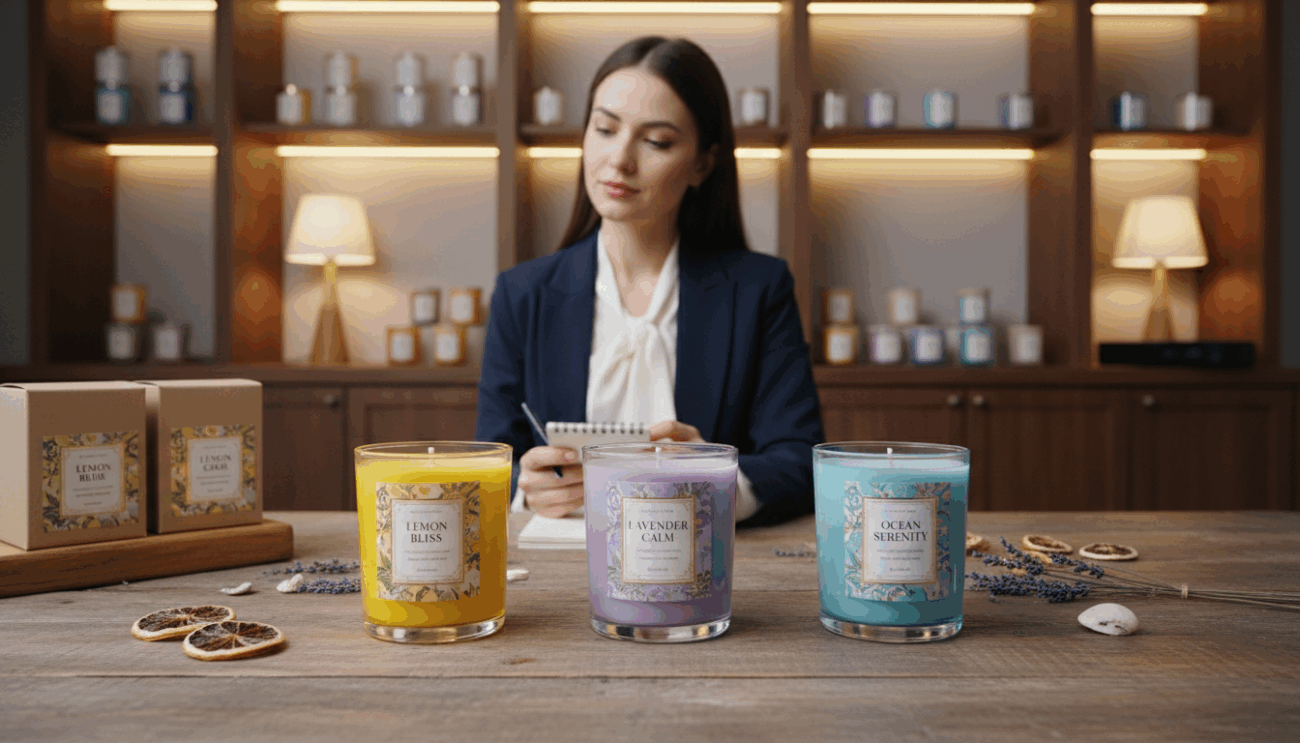
Room-specific considerations matter greatly. Bedroom items should promote tranquility and better sleep. Kitchen products need fresh aromas to neutralize odors. Bathroom creations can offer spa-like retreats.
Research helps identify what resonates with your demographic. Surveys and feedback reveal scent preferences. Market analysis shows color trends that attract specific age groups.
Lifestyle factors and cultural backgrounds influence choices. A relaxation-focused product requires calming profiles. Daily-use items need balanced aromas that don’t overwhelm.
We guide you to align development with clear use cases. This strategic approach ensures every decision serves a purpose and meets market demand effectively.
How to Choose the Right Candle Fragrance
A well-selected scent profile can transform a simple product into a memorable experience that customers seek out repeatedly. We guide you to match aromas with the intended mood and purpose. This ensures the final product meets expectations.
Universal appeal makes floral scents like lavender and jasmine excellent for gifts. They are perceived as elegant and thoughtful. For spaces needing energy, citrus fragrances like orange and lemon are ideal.
Seasonal trends heavily influence preferences. Your selection should reflect the time of year.
- Spring benefits from light, uplifting floral scents and fresh notes.
- Summer calls for bright, energizing aromas like citrus and coconut.
- Fall requires warm, spicy notes such as cinnamon and woodsy amber.
- Winter favors rich, comforting scents like vanilla, pine, and peppermint.
The quality of your fragrance oil is critical. It directly impacts scent throw—the strength of the aroma when burning. Always test compatibility with your wax, as different types hold and release scents differently. A balanced, high-quality oil ensures optimal performance.
The Role of Color in Enhancing Candle Sales
Your product’s appearance serves as a silent salesperson, communicating quality and purpose instantly. We see color as the first visual connection a buyer makes with your items.
Light, neutral shades create calm impressions. They appeal to customers seeking relaxation for their living space. Soft whites and creams suggest sophistication and home harmony.
Brighter hues attract immediate attention on crowded shelves. Vibrant reds or deep blues work well for seasonal items or statement pieces. These colors signal energy and creativity.
Color should logically match the aromatic profile. Customers expect visual cues that reinforce the scent story. A lavender item naturally suggests purple tones.
The right hue doesn’t just decorate—it tells the fragrance story before the wick is ever lit.
Balance between visual appeal and performance is essential. Excessive dye can affect how your product burns. It may clog wicks or reduce scent diffusion.
| Color Family | Psychological Effect | Ideal Application |
|---|---|---|
| Neutrals & Pastels | Calming, sophisticated | Bedrooms, relaxation spaces |
| Warm Tones (Reds/Oranges) | Energetic, welcoming | Living areas, social spaces |
| Cool Tones (Blues/Greens) | Peaceful, refreshing | Bathrooms, meditation areas |
| Deep & Bold Colors | Dramatic, luxurious | Statement pieces, gifts |
Testing color concentration prevents common issues. It ensures even burning and maintains fragrance integrity. Your final creation should offer a harmonious experience where sight and smell work together.
Testing and Quality Control for Consistent Candle Performance
Quality control transforms beautiful candles into reliable products that perform exactly as promised. We emphasize that rigorous testing prevents customer disappointment and builds brand trust.
Small batch testing reveals issues before scaling production. This approach saves resources and ensures consistency across all your items. Document each test result meticulously.
Wax quality forms the foundation of performance. Natural options like soy wax and beeswax burn cleaner than paraffin alternatives. They hold fragrances effectively and offer longer burn times.
Proper wick selection matches your candle diameter and wax type. Incorrect sizing causes tunneling or poor scent diffusion. Test different wick options to find the perfect match.
Balance fragrance oil percentages carefully. Overloading doesn’t improve scent throw but creates safety hazards. Soy wax typically handles 6-10% oil load effectively.
Store finished products in cool, dry environments away from sunlight. This preserves color integrity and fragrance strength until customers receive them.
Consistent quality control reduces returns and generates positive reviews. It establishes your reputation for reliability and excellence in the market.
Incorporating Seasonal Trends and Aesthetic Details
Seasonal changes create natural opportunities for candle makers to refresh their product offerings. We guide you to align releases with customer expectations throughout the year. This approach maintains market relevance and sustains buyer interest.
Spring and summer items benefit from light, airy aromas. Floral notes like jasmine and fruity options such as peach create uplifting atmospheres. These scents complement brighter days and warmer weather perfectly.
Fall and winter creations require warmer, cozier profiles. Spicy cinnamon and earthy sandalwood notes evoke comfort during cooler months. Customers seek these aromatic experiences for their living spaces.
Aesthetic details should reinforce seasonal themes. Consider these container and decoration ideas:
- Spring: Wide-brimmed cups with tulip sprigs for floral appearance
- Summer: Turquoise jars with seashell accents for beach vibes
- Fall: Amber holders with pine cones for autumn warmth
- Winter: Rich-colored vessels with festive elements
Timing your launches captures early shoppers. Introduce spring scents in late winter, summer options by mid-spring. This strategic scheduling ensures your products are available when demand peaks.
Limited-edition seasonal releases create urgency and exclusivity. Customers appreciate items that serve dual purposes—providing beautiful home fragrance while enhancing decor. This combination increases perceived value and satisfaction.
Monitoring trends through customer feedback helps identify emerging preferences. Balancing seasonal offerings with core year-round products ensures consistent revenue while capitalizing on demand spikes.
Conclusion
Creating candles that sell well is a thoughtful process where every detail matters. We see this as combining strategic planning with technical skill. Your success depends on understanding your audience and matching scents to their needs.
Selecting aromas requires balancing appeal with performance. The right scent must work well with your wax for optimal diffusion. Color choices create visual harmony that supports the aromatic experience.
Rigorous testing ensures your final products deliver consistent quality. This builds customer trust and establishes your reputation. Whether making luxury items or affordable ones, these principles guide you toward lasting success.
Investing in proper selection and quality control ultimately saves resources. It creates candles that customers enjoy and repurchase. Your dedication to this process builds a business that thrives.